


Understanding Structural Failure
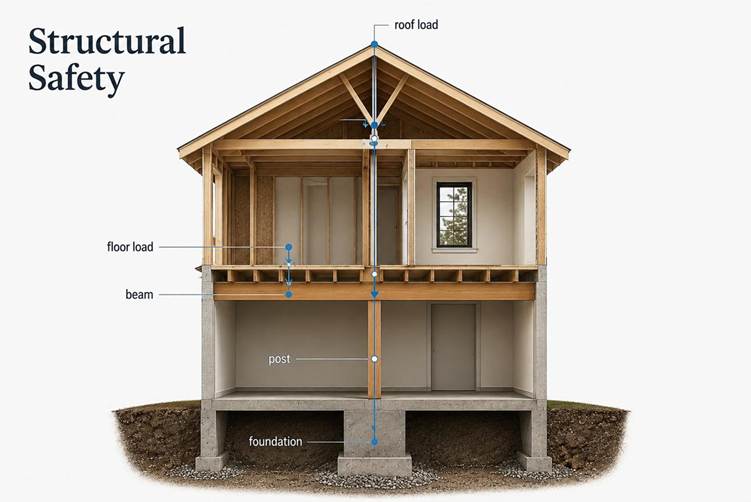
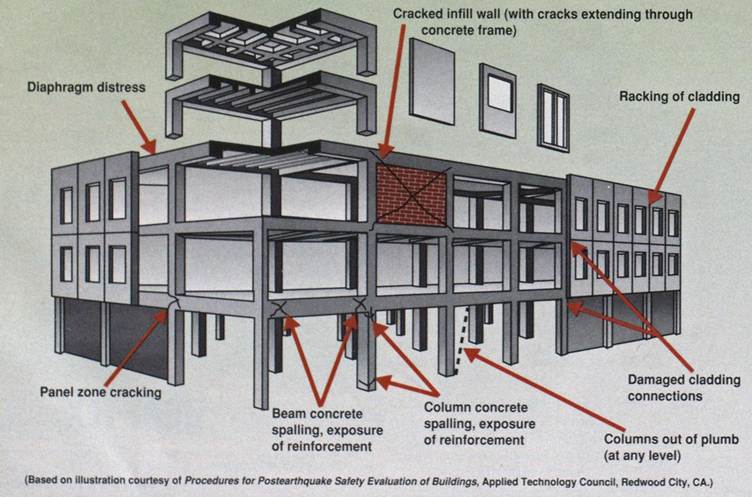
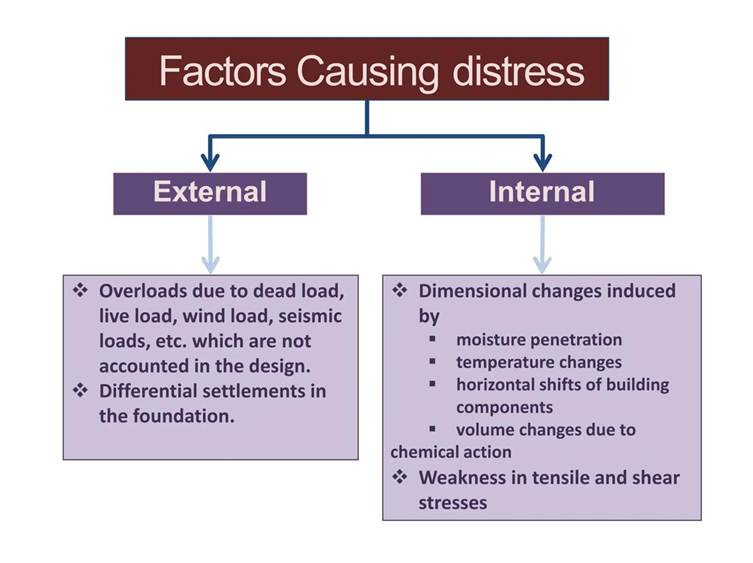
Structural failure occurs when a structure loses its ability to safely carry the loads for which it was designed. Failure does not always mean complete collapse; it may include:
- Excessive cracking
- Large deflections
- Foundation settlement
- Corrosion-induced deterioration
- Progressive collapse
- Serviceability failure
- Fatigue failure
A structural failure generally occurs when the applied load exceeds the available structural resistance.
Top 10 Causes of Structural Failure
1. Poor Structural Design
Description
Nearly every structure begins with design. If the design assumptions are incorrect, every subsequent construction activity inherits those errors.
Common design deficiencies include:
- Incorrect load estimation
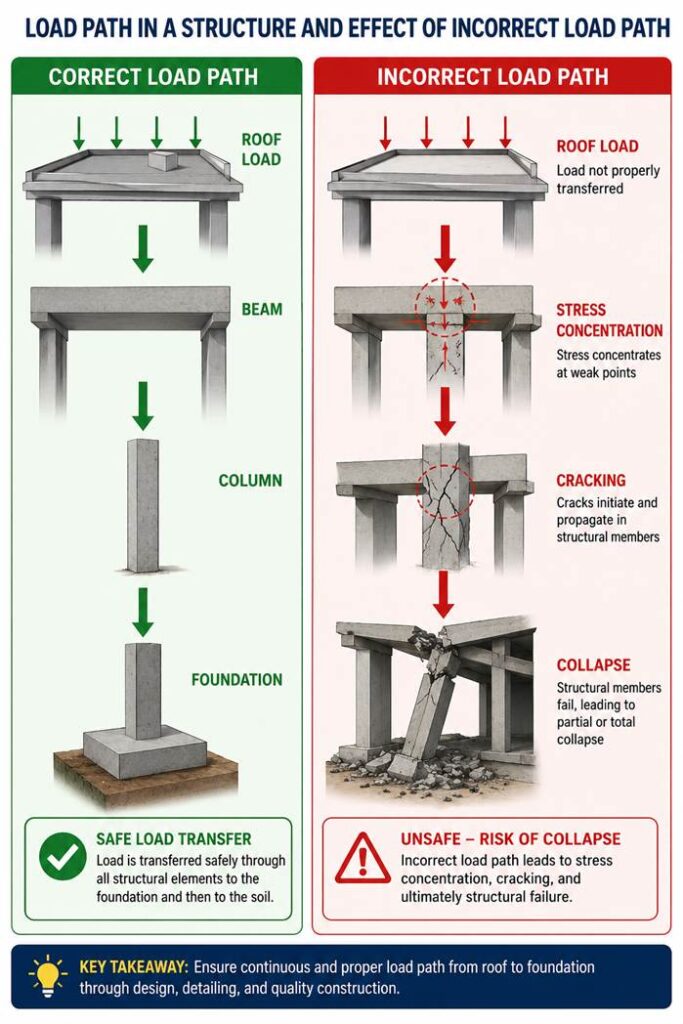
- Poor load path
- Inadequate reinforcement
- Ignoring lateral loads
- Weak connection detailing
- Insufficient safety factors
Diagram
Real-World Case Study
Hyatt Regency Walkway Collapse (1981)
Location: Kansas City, USA
Cause
A seemingly small connection redesign during construction doubled the load on hanger rods supporting suspended walkways. The revised detail had not been adequately checked by the structural engineer, leading to catastrophic failure during a crowded social event.
Consequences
- 114 fatalities
- More than 200 injuries
- Major reforms in engineering design review and professional responsibility
Practical Recommendations
✓ Perform independent design reviews.
✓ Validate structural models.
✓ Check all load combinations.
✓ Follow national design standards.
✓ Conduct peer review for critical structures.
2. Poor Construction Quality
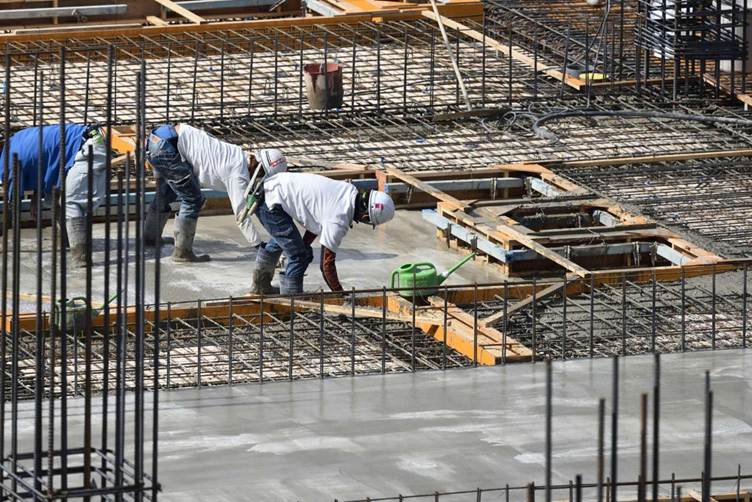
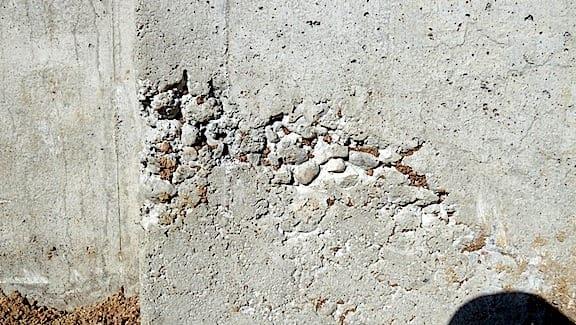
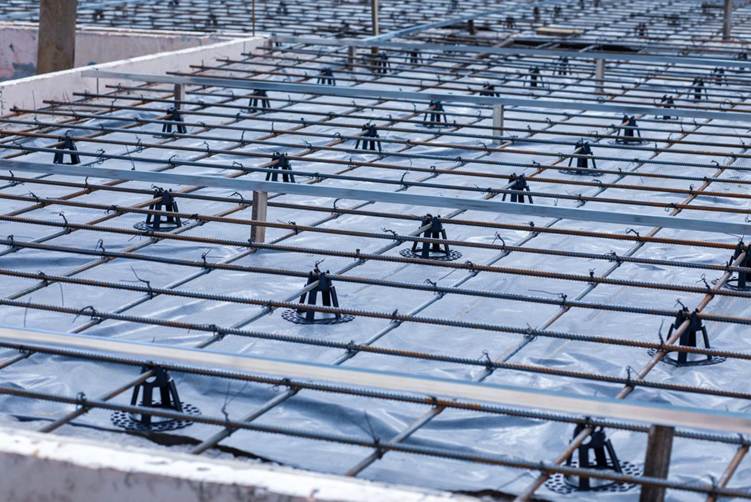
Even a perfect design can fail if construction quality is poor.
Common Problems
- Honeycombing
- Improper compaction
- Wrong reinforcement spacing
- Cold joints
- Poor curing
- Dimensional inaccuracies
Case Study
Residential Building Collapse (Various Developing Countries)
Many residential building failures have been linked to inadequate supervision, low-quality workmanship, use of substandard materials, and deviations from approved drawings.
Recommendations
- Strict quality assurance (QA)
- Quality control (QC)
- Third-party inspection
- Skilled labor
- Proper site supervision
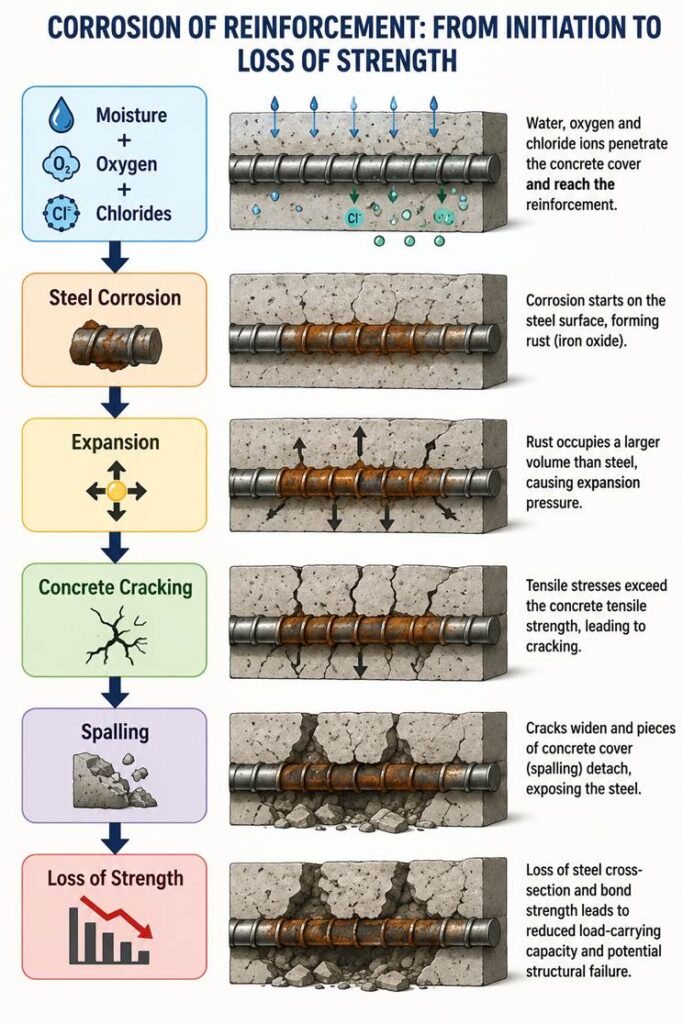
3. Material Deterioration
Materials naturally degrade with time.
Major deterioration mechanisms include:
- Steel corrosion
- Sulfate attack
- Carbonation
- Alkali–silica reaction (ASR)
- Freeze-thaw damage
- Chloride ingress
Mechanism
4. Overloading
Structures are designed for specific loads.
Additional loads may include:
- Unauthorized floor additions
- Heavy machinery
- Storage overload
- Increased occupancy
- Construction loading
Case Study
Several commercial and residential building collapses worldwide have been associated with unauthorized vertical expansions and excessive loading beyond the original design intent.
Recommendations
Never modify a structure without structural evaluation.
5. Foundation Failure
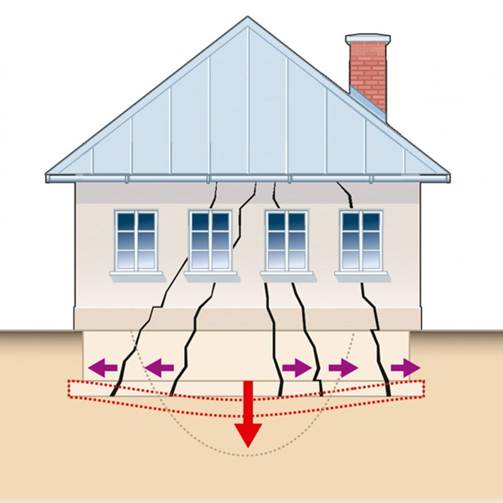
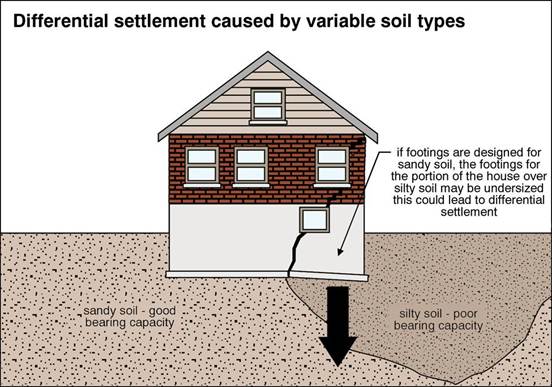
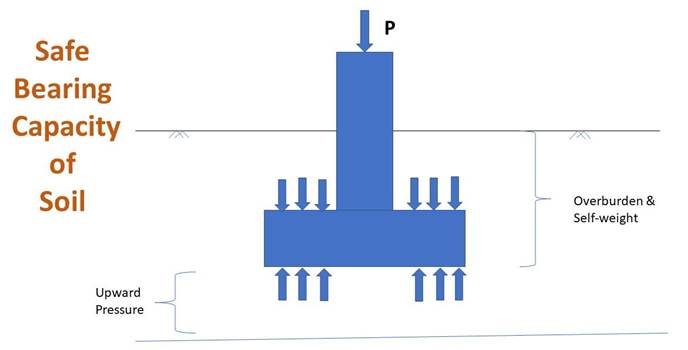
A structure is only as strong as its foundation.
Common causes include:
- Differential settlement
- Poor soil investigation
- Liquefaction
- Expansive soils
- Scour around foundations
Case Study
Leaning Tower of Pisa
The famous tilt developed due to differential settlement caused by weak subsoil beneath the foundation. Modern stabilization efforts have successfully reduced the tilt while preserving the structure.
Recommendations
- Comprehensive geotechnical investigation
- Adequate foundation design
- Ground improvement where necessary
- Settlement monitoring
6. Design Changes During Construction
Late-stage modifications without engineering approval can significantly alter load paths and member forces.
Examples include:
- Removing columns
- Enlarging openings
- Adding floors
- Changing reinforcement details
Case Study
Numerous failures have resulted from unauthorized modifications that were never evaluated by a qualified structural engineer.
Recommendations
All design modifications should be reviewed and approved by the structural designer before implementation.
7. Natural Disasters
Earthquakes, cyclones, floods, tsunamis, and landslides impose loads that can exceed design expectations.
Major Hazards
- Earthquake
- Flood
- Wind
- Fire
- Tsunami
- Landslide
Case Study
The 2011 earthquake and tsunami in Japan demonstrated both the vulnerability of older structures and the resilience of many modern buildings designed with advanced seismic detailing.
Recommendations
- Seismic design
- Wind-resistant detailing
- Flood-resilient planning
- Disaster preparedness
8. Fire Damage
High temperatures reduce the strength of:
- Concrete
- Steel
- Reinforcement
- Connections
Steel can lose a significant portion of its yield strength when exposed to elevated temperatures, making fire protection a critical design consideration.
Recommendations
- Fireproof coatings
- Fire-resistant materials
- Compartmentalization
- Fire inspections
9. Lack of Inspection and Maintenance
Most failures develop gradually.
Typical warning signs include:
- Cracks
- Water leakage
- Corrosion stains
- Concrete spalling
- Deflection
Ignoring these signs allows deterioration to accelerate.
Case Study
Several bridge failures have highlighted the importance of routine inspection programs, particularly where corrosion, fatigue, or connection deterioration progresses unnoticed.
Recommendations
- Annual inspections
- Structural Health Monitoring (SHM)
- Preventive maintenance
- Digital inspection records
10. Human Error
Human factors remain one of the most significant contributors to structural failures.
Examples include:
- Calculation mistakes
- Incorrect detailing
- Poor communication
- Construction errors
- Inadequate supervision
Recommendations
- Continuous professional training
- Independent checking
- Clear documentation
- Strong communication among stakeholders
- Adherence to engineering ethics
Practical Framework for Preventing Structural Failures
| Stage | Key Actions |
| Planning | Conduct thorough site and geotechnical investigations; assess environmental hazards and intended use. |
| Design | Follow applicable design codes, perform independent design reviews, and ensure clear load paths. |
| Material Selection | Specify durable, code-compliant materials suitable for the exposure conditions. |
| Construction | Implement robust QA/QC, proper supervision, and inspection of reinforcement, formwork, and concrete placement. |
| Commissioning | Verify structural integrity through testing and documentation before occupancy. |
| Operation | Avoid unauthorized modifications or overloading; educate owners on safe usage. |
| Maintenance | Schedule periodic inspections, repair defects promptly, and monitor critical structures using SHM where appropriate. |
Key Takeaways
- Structural failures usually result from multiple interacting factors rather than a single isolated cause.
- Good design must be complemented by quality construction, durable materials, and ongoing maintenance.
- Early warning signs—such as cracking, corrosion, excessive deflection, or settlement—should never be ignored.
- Independent design reviews, quality assurance during construction, and regular inspections are among the most effective ways to reduce risk.
- Lessons learned from past failures should inform future engineering practice to create safer and more resilient infrastructure.
Conclusion
Structural engineering extends beyond designing buildings that stand today—it is about creating infrastructure that remains safe, durable, and serviceable throughout its intended lifespan. By understanding the root causes of structural failures and applying sound engineering principles during design, construction, inspection, and maintenance, engineers can significantly reduce the likelihood of catastrophic failures.
A proactive approach that integrates quality control, modern monitoring technologies, adherence to design standards, and continuous professional development is essential for building resilient infrastructure that serves society safely for generations.
